Good for our oceans, good for you!
Starting in 2023, Pro-Tent will use only certified recycled polyester fabrics in the manufacture of its roofs and side walls. In this interview, Pro-Tent CEO Beat Bär explains the reasons behind this decision and shares some interesting facts about it.
What exactly is recycled polyester, and how is it made?
Beat Bär: Polyester is an umbrella term for synthetic plastics based on polyethylene terephthalate (PET). This material is derived from petroleum. It is used to make items such as plastic bottles, films, and textile fibers. As a result, polyester isn’t exactly considered a sustainable material. In the case of recycled polyester, used plastics—mostly PET bottles—are first mechanically shredded and then converted into granules, which are subsequently used to produce new fibers.
From an environmental perspective, what are the advantages of using recycled polyester?
Beat Bär: One advantage of recycled polyester is that it reduces dependence on petroleum, since no new polyester needs to be produced. In other words, we’re using what’s already there—which is, after all, the basic idea behind sustainability.
Using plastic waste to produce new fibers also improves the environmental footprint: It requires about 60% less energy, and experts estimate that recycling polyester instead of manufacturing it from scratch can reduce CO₂ emissions by as much as 32%.
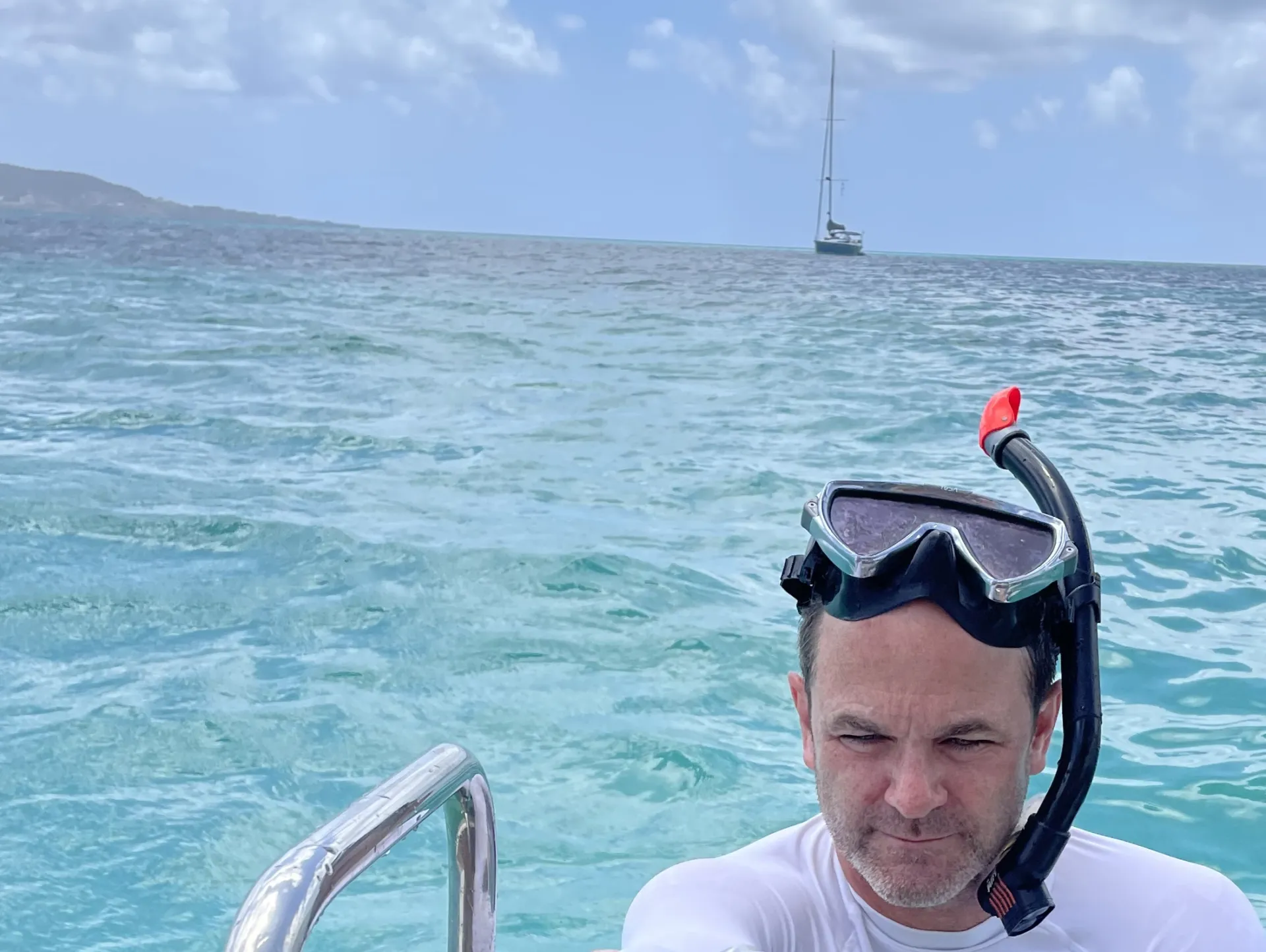
Another advantage: Recycling prevents plastic from ending up in landfills and in our oceans. Ocean pollution, in particular, is a growing problem that truly concerns me as a passionate sailor. If we continue as we have been, it is feared that the amount of microplastics in the oceans could increase 50-fold by the end of the century. That is exactly why we must move away from single-use plastics—and as quickly as possible.
The recycled polyester fabrics used by Pro-Tent bear the GRS seal. What does this certification stand for?
Beat Bär: The criteria of the Global Recycled Standard, or GRS for short, require that recycled materials be precisely traceable. In addition, the GRS establishes production standards to minimize harmful effects on people and the environment. Only when these standards are met does a product receive the GRS seal. It thus stands not only for environmental responsibility but also for social responsibility—a responsibility that we at Pro-Tent embrace and take seriously.
Do the recycled materials used by Pro-Tent have to meet specific requirements?
Beat Bär: Indeed. Just as we have done with the conventional fabrics we’ve used in the past, we place special demands on recycled fabrics in terms of their functionality, suitability for outdoor use, and durability. To this end, we worked with the manufacturer during a three-year development and testing phase to repeatedly test and further optimize the fabrics until we were truly satisfied with the results and our strict quality standards were met without exception.
Are the recycled fabrics more expensive than conventional polyester fabrics?
Beat Bär: Due to the complex manufacturing process, the price of these fabrics is approximately 10% higher than that of our previous products. However, only about 50% of these additional costs are factored into the pricing of our roofs and side walls, which therefore become only slightly more expensive. We view the remaining additional costs as an investment in the long-term, sustainable direction of the Pro-Tent brand.
So the transition is part of a long-term overall strategy?
Beat Bär: That’s right. As a company, we are aware of our economic, environmental, and social responsibilities and act accordingly. This requires clear principles, long-term goals, and a wide range of measures across all areas of the company. We support the Global Goals defined by the United Nations in 2015 and focus on those to which we believe we can make the greatest possible contribution. These include, among other things, measures for climate protection and sustainable production. In this context, the switch to recycled polyester is an important step for us on our path toward greater sustainability.
What are the next steps on this journey?
Beat Bär: The “second life” concept is particularly close to our hearts. Launching a well-thought-out and coherent overall concept for Pro-Tent—one that promotes a more sustainable consumption model—will be one of the challenges of the coming years. Furthermore, the path toward greater sustainability requires continuous effort, which includes many small steps. We’ll keep you posted!