Roadshow: How to Bring Your Brand Directly to Your Target Audience
Brands that make an impact stick in people’s minds. You want your brand to stand out, be approachable, and show up in people’s everyday lives. A roadshow is the perfect format for this—it’s mobile and flexible, opening up a world of possibilities. Here, you’ll learn step by step how to plan your tour, what equipment makes sense, and which examples can inspire you.
What Is a Roadshow?
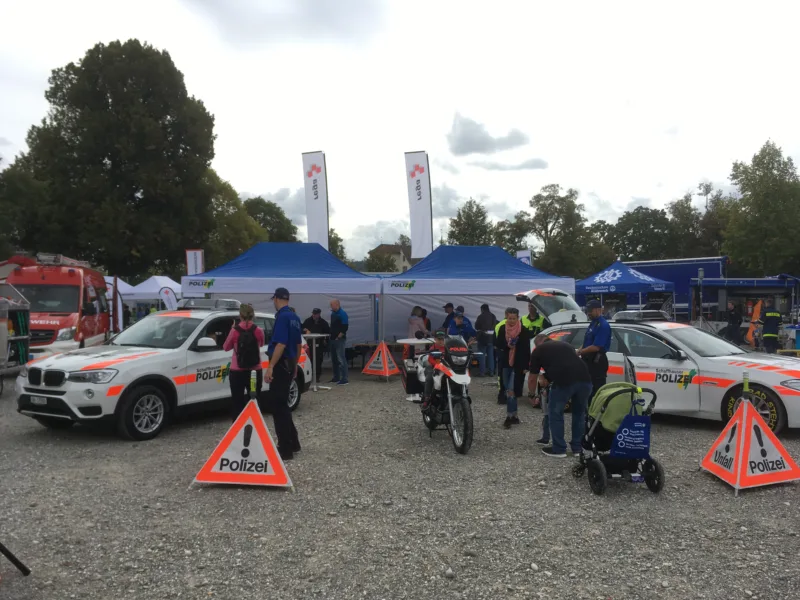
A roadshow is a mobile series of events where companies showcase their products, services, or campaigns at multiple locations. Unlike stationary events, the presentation comes to your target audience. This could be a city square, a company campus, a trade show, or a festival. People experience your brand without having to travel far—right there in real life.
B2B and B2C: Two Paths to the Same Goal
B2B roadshows are aimed at a professional audience. They’re ideal for demonstrating innovations, strengthening partnerships, and sharing knowledge. Popular venues include parking lots at trade show halls, industry events, and customer service centers.
B2C roadshows focus more on emotion and hands-on participation. Product tests, small tastings, photo opportunities, or short workshops make the offering tangible. Shopping malls, bustling public squares, and high-traffic events work well for this.
Goals and Benefits of a Roadshow
Increase brand awareness and generate interest
A roadshow makes you visible and approachable. Your brand comes across as lively and authentic, which builds trust and increases attention.
Present products and services live
Direct contact is persuasive because people can test products for themselves, ask questions, and associate experiences with your brand. This is especially valuable when your offering requires an explanation.
Engage in Personal Conversations and Generate Leads On-Site
Conversations take place on-site, from which relationships grow. Your team collects qualified contacts and receives feedback that can be incorporated into future development.
Planning a Roadshow: How to Make Your Tour a Success, Step by Step
Define your goals and target audiences
Determine what you want to achieve with the tour. Do you want to launch a new product, attract new customers, or raise brand awareness? Describe your target audiences as specifically as possible, since locations, interests, and suitable touchpoints will be derived from this.
Select the Route, Cities, and Locations
Choose locations where you’ll meet relevant people. Plan short distances between stops and check access, power, and available space. A realistic daily itinerary saves time and money and reduces the risk of delays.
Plan the team, equipment, and tasks
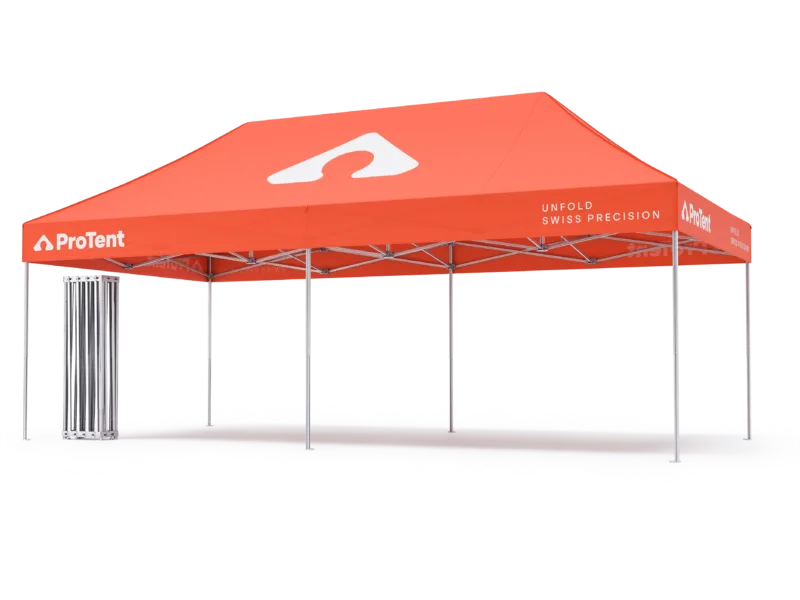
Clearly assign roles to ensure the event runs smoothly. Who will greet guests? Who will moderate? Who will set up? Who will handle the technology? And who will document everything? A brief morning briefing sharpens everyone’s focus for the day. Modular folding tents from Pro-Tent can be set up quickly and customized with your brand. This allows you to create a polished, professional-looking setup in no time that adapts flexibly to the available space.
Prepare Communication and Marketing
Build reach in advance. Use social media, newsletters, and regional media to do so, and tailor your messages to each location. During the tour, live posts, short clips, and Stories keep attention high and draw interested visitors to the booth. Interaction generates attention. Product tests, small games, photo corners, or giveaways create opportunities for conversation. QR codes on banners and displays lead directly to landing pages, product information, or social media.
Set a Schedule and Monitor Progress
Create a schedule from arrival to breakdown and build in a buffer for the unexpected. A brief debriefing after each stop is worthwhile. What worked well, and what will you adjust for the next stop?
Roadshow Ideas and Formats
Product Tours and Company Presentations
New products and innovations are perfect for showcasing on the road. People test them on-site and provide immediate feedback, which helps build loyalty and trust.
Pop-up events and mobile showrooms
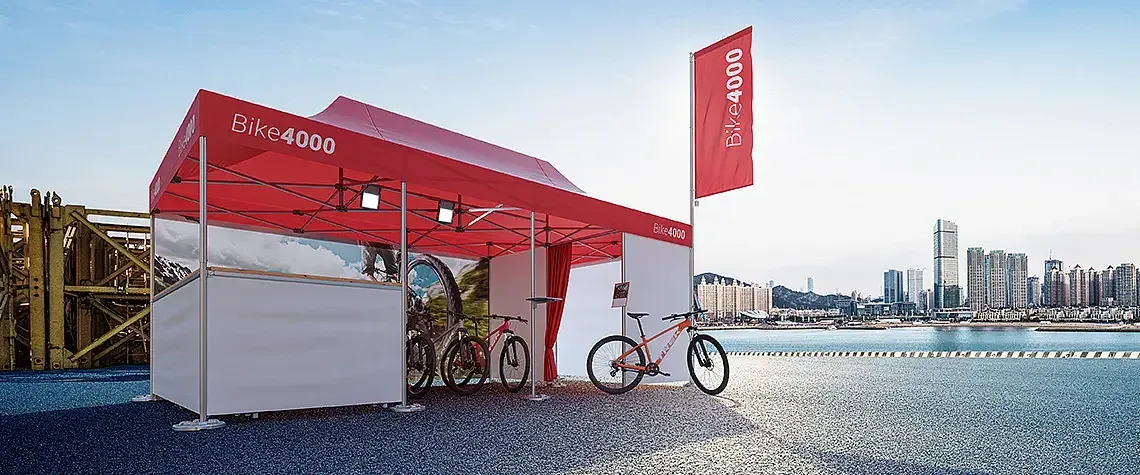
A branded folding tent becomes a showroom. With a lounge, presentation area, and demo stations, it creates a small immersive experience that works even in compact spaces.
B2B Roadshows and Trade Show Supplements
Combine the tour with industry events. This way, you’ll reach a professional audience and tap into existing visitor traffic. Hybrid setups with livestreams or recordings extend your reach into the digital world.
Recruiting or promotional tours
Showcase your employer brand and team culture where your target audiences are. Short, hands-on activities lower barriers and often lead to quick, casual conversations.
Additional Ideas
- Interactive workshops and hands-on demos
- Themed tours on sustainability, innovation, or health
- Social media challenges with giveaways
- Collaborations with local partners, organizations, and universities
On-site organization and implementation
Team formation and assignment of roles
A well-coordinated team is the most effective tool. Everyone knows their task and the next steps. A brief morning briefing provides direction and energizes the team for the day.
Technology, Equipment, and Materials
Plan your equipment so that you can operate independently. Your tent, lighting, displays, and sound system should be portable and durable, and function reliably even in changing weather conditions. A tidy and well-lit booth creates a welcoming atmosphere.
Checklists for Planning and Execution
- Secure Permits and Locations
- Plan transportation, logistics, and setup times
- Prepare the folding tent, furniture, and branding
- Check the technical equipment: lighting, power, sound, and displays
- Packing giveaways and informational materials
- Brief the team and coordinate the daily schedule
- Prepare and follow up on posts and stories
Equipment for a successful roadshow
Folding tents and mobile promotional stands from Pro-Tent
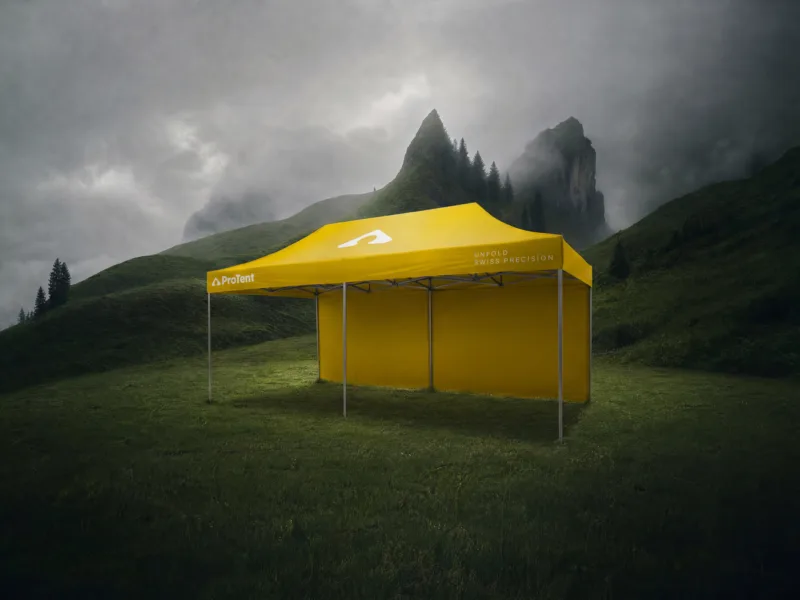
The foundation is a reliable, weatherproof system. With a Pro-Tent folding tent, your brand presence is set up in no time. The solution is sturdy, high-quality, and can be custom-printed. This creates a professional setting for your content.
Branding, lighting, and technical extras
A clear presentation leaves a lasting impression. Printed side panels, harmonious lighting, and effective wayfinding create the right atmosphere. Technology such as screens, tablets, or AR stations makes products interactive and encourages visitors to linger.
Sustainable Systems and Reusable Solutions
Pro-Tent systems are durable and modular. You can use them multiple times, adapt them to new spaces, and reduce waste. This conserves resources and helps manage your budget throughout the entire tour.
Success Factors and Trends in Roadshow Marketing
Create Live Experiences Instead of Just Showing Ads
People remember experiences, voices, and gestures. The more authentic the interaction, the stronger the impact. Well-crafted storytelling and small surprises help reinforce this impression. Modern roadshows combine live communication with digital tools. Livestreams and augmented reality expand reach and deepen the experience without replacing personal contact.
Digital Integration with QR Codes and Social Media
Connect your event to the online world. QR codes lead to product information or forms. This turns the moment on-site into a lasting relationship.
Sustainable concepts and flexible tour setups
Reusable systems, short supply chains, and regional partnerships improve your environmental footprint and strengthen your image. At the same time, your setup remains flexible and adapts to any space.
Conclusion – Building Customer Connection and Brand Impact with a Roadshow
A roadshow is more than just a promotion. It brings people and your brand together and creates lasting memories. With solid planning, a motivated team, and smart equipment, you’ll create an event that inspires and leaves a lasting impression.
Launch your roadshow and take your brand on tour.