Successful Event Planning: What You Need to Consider When Organizing an Event
Successfully organizing an event requires a structured approach and the coordination of numerous service providers. This guide takes you step by step through the essential phases of event planning—from choosing a venue to legal requirements and sponsorship, all the way to technology, catering, and the use of sturdy folding tents. A concluding 9-point checklist helps ensure the smooth execution of your event.
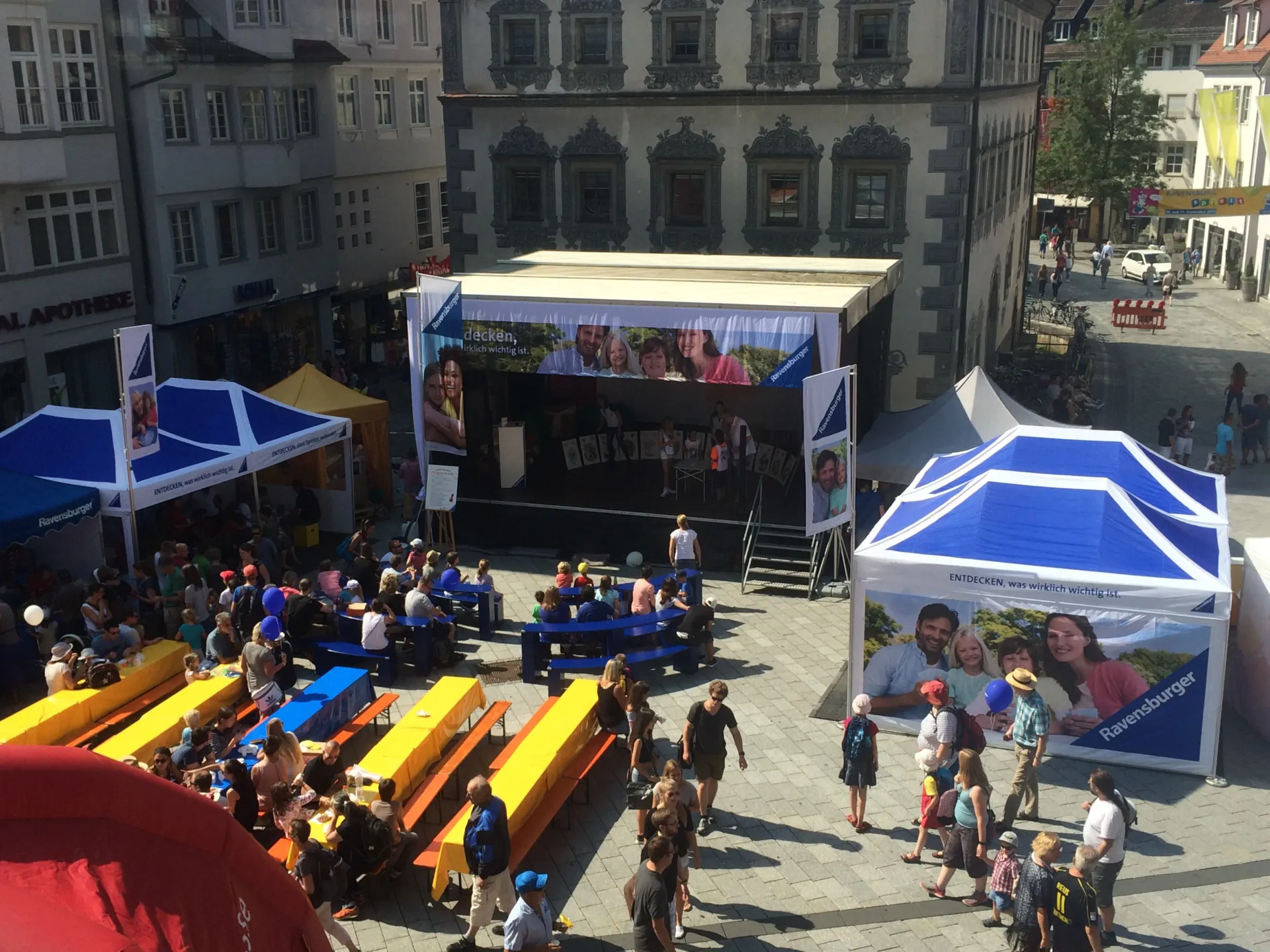
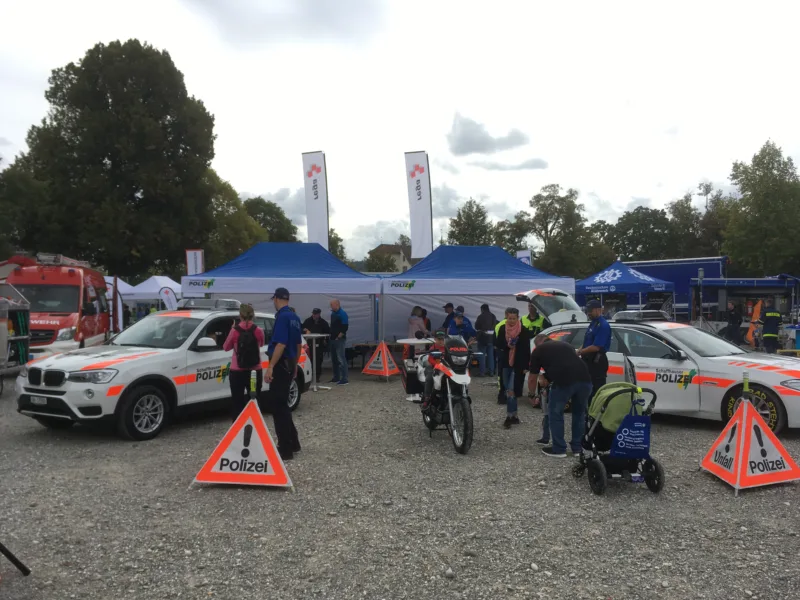
Events of all kinds pose a major challenge for organizers. Whether it’s a small event like a village festival or an open-air concert for thousands of visitors—a wide variety of service providers must work together seamlessly to ensure everything runs smoothly.
This requires a great deal of organizational skill and a keen eye for detail. To make planning easier for first-timers, we’ve put together a list of the key aspects you need to consider when organizing an event.
Table of Contents
- Find a Suitable Venue
- Clarify legal aspects
- Secure sponsors and supporters
- Book suitable acts
- Actively promote your event
- Secure the necessary equipment
- Plan catering—and restroom arrangements
- Use Pro-Tent folding tents
- Enjoy your event—and wrap it up
- Checklist for Your Event
1. Find a suitable venue for your event
The search for a suitable venue depends heavily on the type of event. After all, a company anniversary has different requirements than a public viewing, a concert, a sporting event, a village festival, or a cabaret evening.
Accordingly, you’ll need to carefully assess which venue best suits your event. Depending on the season, the first decision is: indoor or outdoor? Both have their pros and cons.
| Type of Event | Advantages | Challenges & Special Features |
|---|---|---|
| Outdoor Events | • Unique atmosphere • Complete creative freedom in designing the | • Weather-dependent • Canopies required |
| Indoor events | • Weatherproof (ideal in • Basic | • Less flexibility (working within a predetermined space) |
Choosing the right venue is a good place to start. That way, you’ll know what challenges to expect and what supplies, etc., you’ll need to obtain.
2. Clarify the legal aspects of your event
First things first: We obviously cannot provide binding legal advice for event planning. The various regional regulations and requirements from local governments, authorities, or collecting societies (e.g., GEMA in Germany) are simply too complex.
Therefore, we must simply note here that it is important for you to
find out in advance which legal requirements you must meet
. A good place to start is your local government office, which
can already provide you with a great deal of information for organizing your event. If necessary, you may need to
also need to obtain a permit here.
Overall, legal issues revolve around topics such as:
- Fire safety
- Safety plans
- Noise control, etc.
3. Attract Sponsors and Supporters to Ensure Financial Stability
Larger events, in particular, cannot do without sponsorship. But even for small events, you can seek out supporters and thus ensure financial stability. For example, reach out to local cultural organizations or businesses. Banks also often have funding programs for cultural events. In addition, you can contact the city, municipality, or local government directly, as they frequently offer grants for events. Larger foundations or political bodies can also be good places to turn to.
It’s important to:
- Always demonstrate a clear benefit and return on investment to private sponsors or business partners (e.g., logo placement on all promotional materials, folding tents with printed sponsor banners, or on-site displays).
- When applying for grants, it’s important to comply with the relevant regulations and clearly communicate the event’s added value. It must be clear why funding makes sense. The processing time for these applications often takes a bit longer, so be sure to start the process early.
4. Book exciting acts that will enrich your event
Whether it’s music, comedy, speakers, or performers—there are suitable acts for every event that make it exciting. So make an effort early on to secure the right talent that will also appeal to and captivate your target audience.
Of course, it makes a difference whether you’re looking for a performer for a corporate banquet or organizing a youth festival where the band is clearly the center of attention.
Popular artists—especially show bands and DJs—often have their schedules booked up well in advance. So be sure to make arrangements for the right acts well ahead of time.
5. Organize a promotional campaign for your event
Events thrive on attracting visitors and selling tickets. It’s therefore crucial that you promote your event early and actively through the right channels.
- Traditional advertising channels: In rural areas, for example, posters in popular stores, flyers, or announcements on bulletin boards or in the local newspaper are important channels, depending on your target audience.
- Digital media: Social media or your own website can be a good way to publicize your event.
- Regional Event Guides & Promotional Booths: Take advantage of regular regional cultural event guides. You can also take a more direct approach by setting up a folding tent as a promotional booth to capture your target audience’s attention and sell tickets in advance.
It’s important to select the right channels for your target audience and invest sufficient time and effort in promotional activities well in advance. After all, only a well-attended event is ultimately a complete success for everyone involved.
6. Secure the necessary event technology
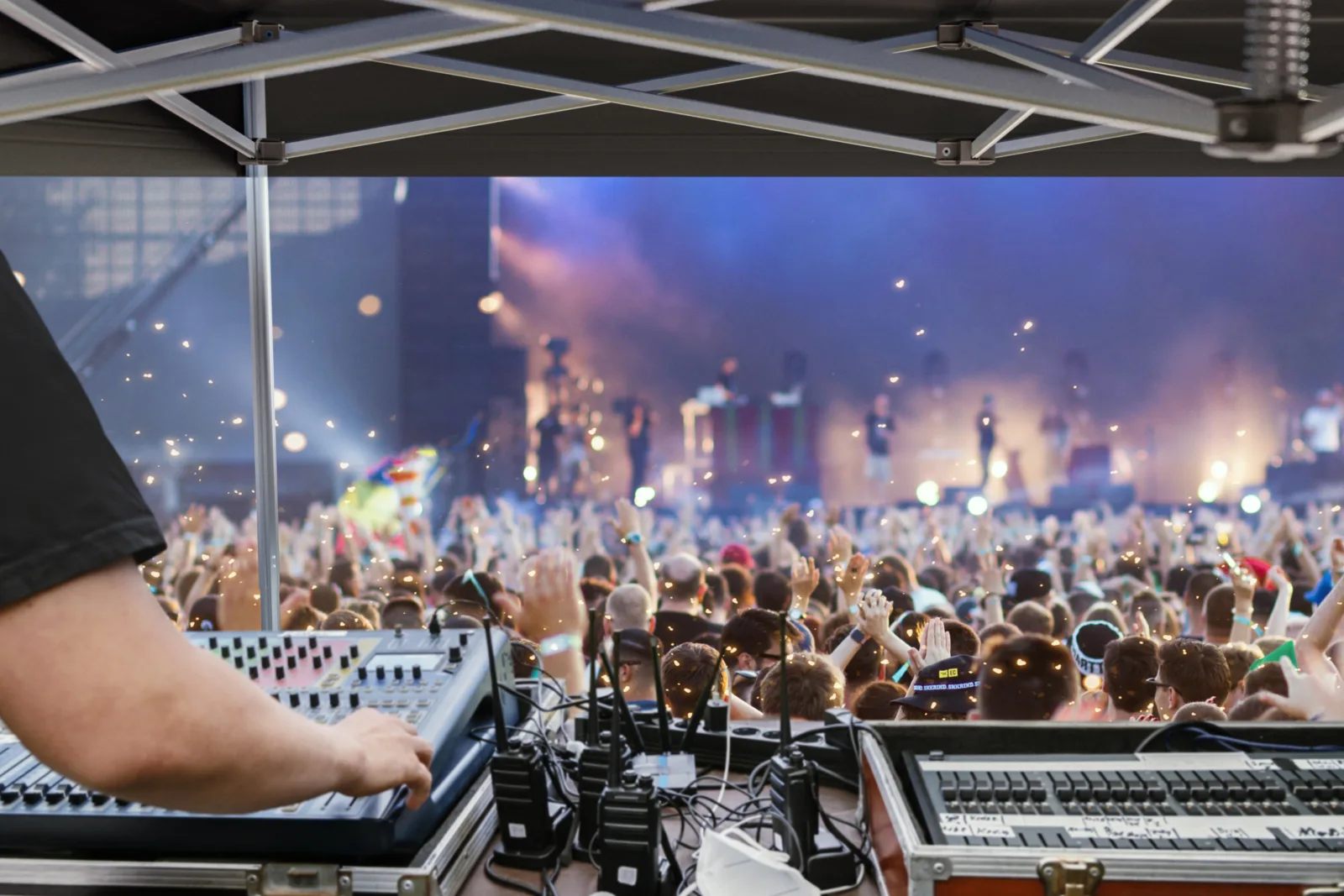
It’s impossible to say exactly what equipment you’ll need in general terms. However, there are
a few things you’ll most likely need:
- Good lighting with the right ambiance
- A lot of cables
- A high-quality, powerful sound system
- A suitable mixing console for adjusting the sound
- For live bands: many components such as microphones, amplifiers, etc. (BUT: Many bands prefer to bring their own equipment)
In addition, every event has different technical requirements. Indoor event venues often already have the necessary equipment on site. Otherwise, you can contact an equipment rental company, where you’ll receive professional advice.
For outdoor events, keep in mind: equipment is expensive and must be well protected. An FOH tent is ideal for this. This ensures the equipment continues to function in any weather and prevents costly damage.
7. Arrange for Food and Beverage Services
Whether it’s beverage sales at a concert, a gala dinner for a company anniversary, or street food stands at a festival—the right food and beverage options play a key role at every event. After all, you want your guests to feel comfortable and have all their needs met.
Exactly what you need, of course, depends heavily on the type of event:
- For longer concerts, you should definitely consider whether to offer small snacks for purchase in addition to drinks.
- For day-long events, you won’t be able to get by without proper catering. The
scope, and quality are determined by the occasion.
And don’t forget that when people eat and drink, they develop other needs as well. So clarify the restroom situation early on and ensure there are adequate facilities.
8. Use Pro-Tent folding tents—the versatile companions for every event
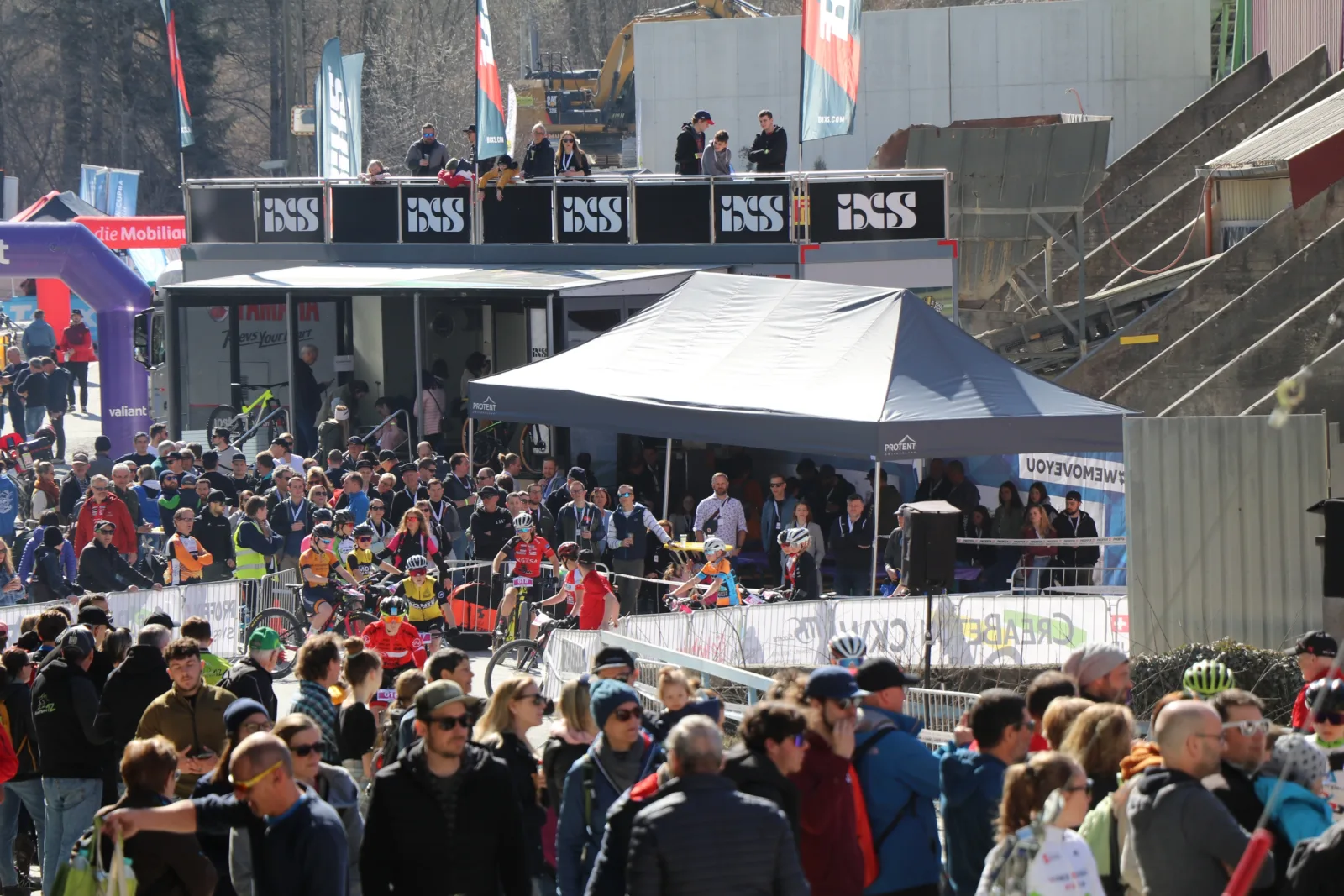
Folding tents are perfect for temporary use at events thanks to their quick setup and takedown. For an indoor event, you can use them to relocate the entrance outside the door or create a covered smoking area.
At outdoor events such as festivals or open-air concerts, folding tents have a wide range of uses, such as:
- Catering & Beverage Service
- Entry control
- Merchandise booth
- First-aid tent
- VIP lounge
- Cocktail Area
- FOH tent for technical equipment
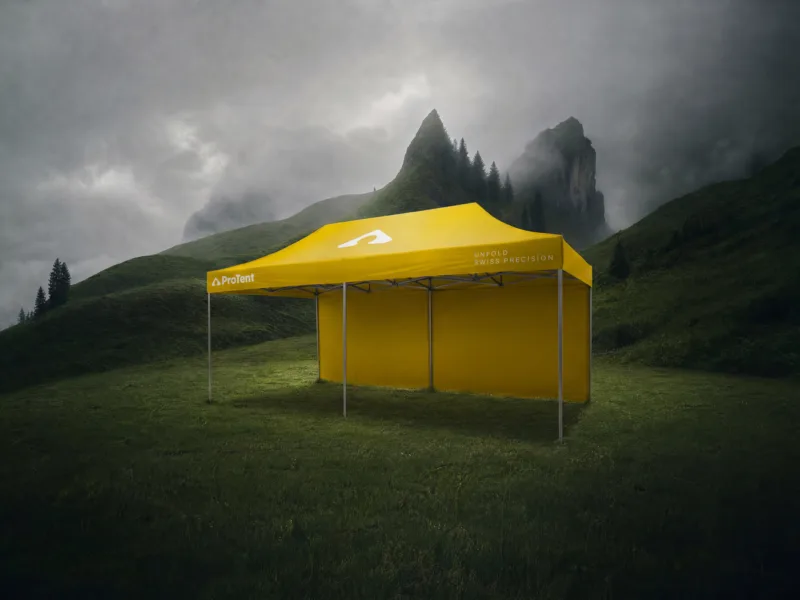
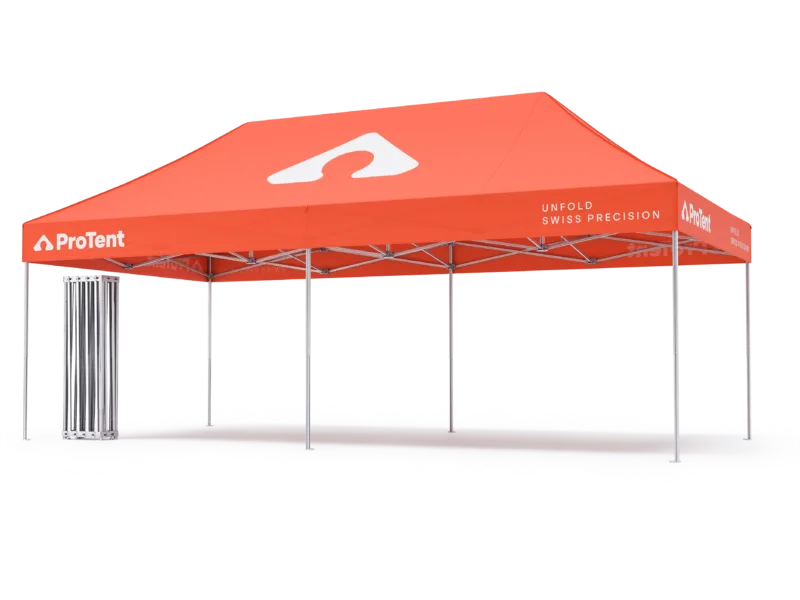
The advantage of high-quality Pro-Tent folding tents lies in their robust construction, which won’t let you down even in bad weather. Our folding pavilions are waterproof, windproof, and weatherproof, and allow for quick setup and takedown.
In addition, you can customize them in many ways and use the back walls as space for printing logos from sponsors, supporters, or your event company. To make event planning even easier, you can take advantage of our wide range of accessories, including items such as a bar counter, a privacy screen, panoramic walls, weights, and much more.
9. Enjoy the event and wrap it up properly
As the organizer, you unfortunately have the most stressful job on the day of the event. While everyone else is having fun, you must constantly keep an eye on the big picture. After all, things can quickly go wrong or the unexpected can happen.
A well-coordinated team working behind the scenes will help take the pressure off you. Proper rehearsals and sound checks also ensure that everything runs smoothly. This gives you the chance to enjoy the day as well. After all, you’ve been working toward this for a long time.
After the event, the follow-up and accounting process begins for you. Ideally—depending on the event—you’ve invited the press and can look forward to positive coverage. Posts on social media from your attendees also give you direct feedback and show whether all the work was worth it.
Perhaps you also hired a photographer to document the event, who will now provide you with great photos that you can use to show everyone what you’ve pulled off. You have every reason to be proud of yourself!
Checklist: 9 Essential Points for Event Planning
- [ ] Book a suitable venue
- [ ] Clarify legal aspects
- [ ] Secure sponsors and supporters
- [ ] Book the desired acts
- [ ] Actively promote the event
- [ ] Procure the necessary equipment
- [ ] Plan catering – and restroom arrangements
- [ ] Set up Pro-Tent folding tents
- [ ] Enjoy the event—and follow up
Discover the Pro-Tent Event Tent
At Pro-Tent, you’ll find portable event tents for your professional event. Whether you’re planning a high-attendance open-air festival, showcasing your company at an open house, or organizing a sporting event: Pro-Tent event tents are the perfect all-around solution for any type of event.